Union City highlight
Historic railroad
The Bay Area Rapid Transit (BART) system extended to Union City in 1972, connecting the East Bay community to regional employment and transforming local development.
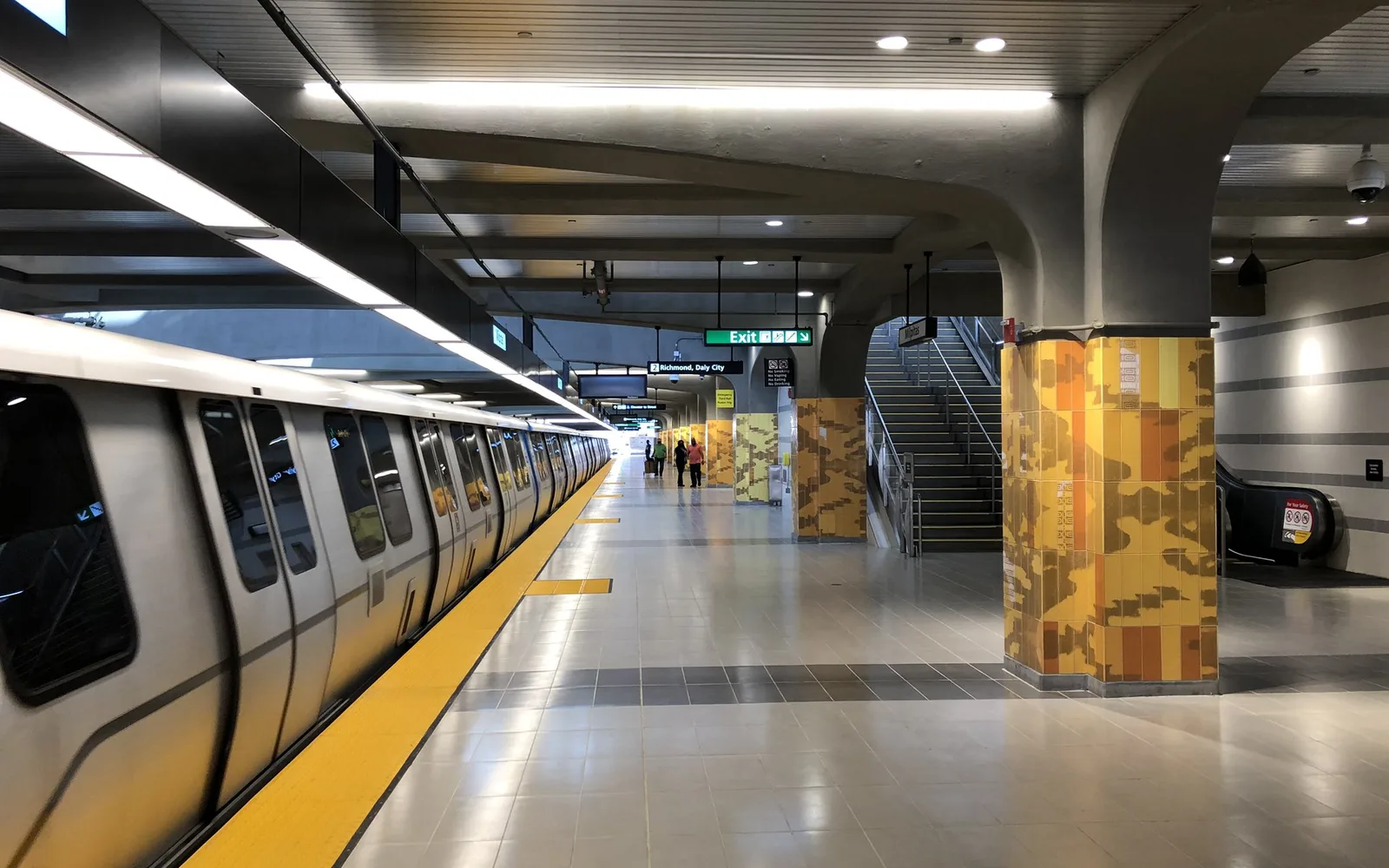
Union City's modern identity took shape with BART's arrival. The Bay Area Rapid Transit system, which first began operations in 1972, extended its Fremont Line to Union City as part of a regional expansion to serve growing East Bay communities. The station opened at a pivotal moment for the Bay Area, as the region's tech and professional sectors were beginning their expansion. BART's arrival brought commuting capability that drew workers, families, and businesses to the area.
The BART station became an anchor for the city's downtown and surrounding neighborhoods. Transit-oriented development followed, with residential complexes, retail establishments, and services clustering near the station. The station continues to serve as a hub for the community, moving hundreds of thousands of riders annually between Union City and other parts of the Bay Area. The Fremont Line, of which Union City is a part, remains one of BART's busiest corridors.
Long-term planning in communities like Union City often reflects the rhythm of major life changes—children entering school, mortgages being taken, businesses being started. Term life insurance follows the same rhythm: it covers the years when major financial commitments exist and then ends when those obligations have been met. Commuters and their families planning for Union City's future use these same timelines when considering coverage.