Union City highlight
Growing residential base
Union City's residential development has accelerated in recent decades, with new housing projects and infill development serving the region's growing population.
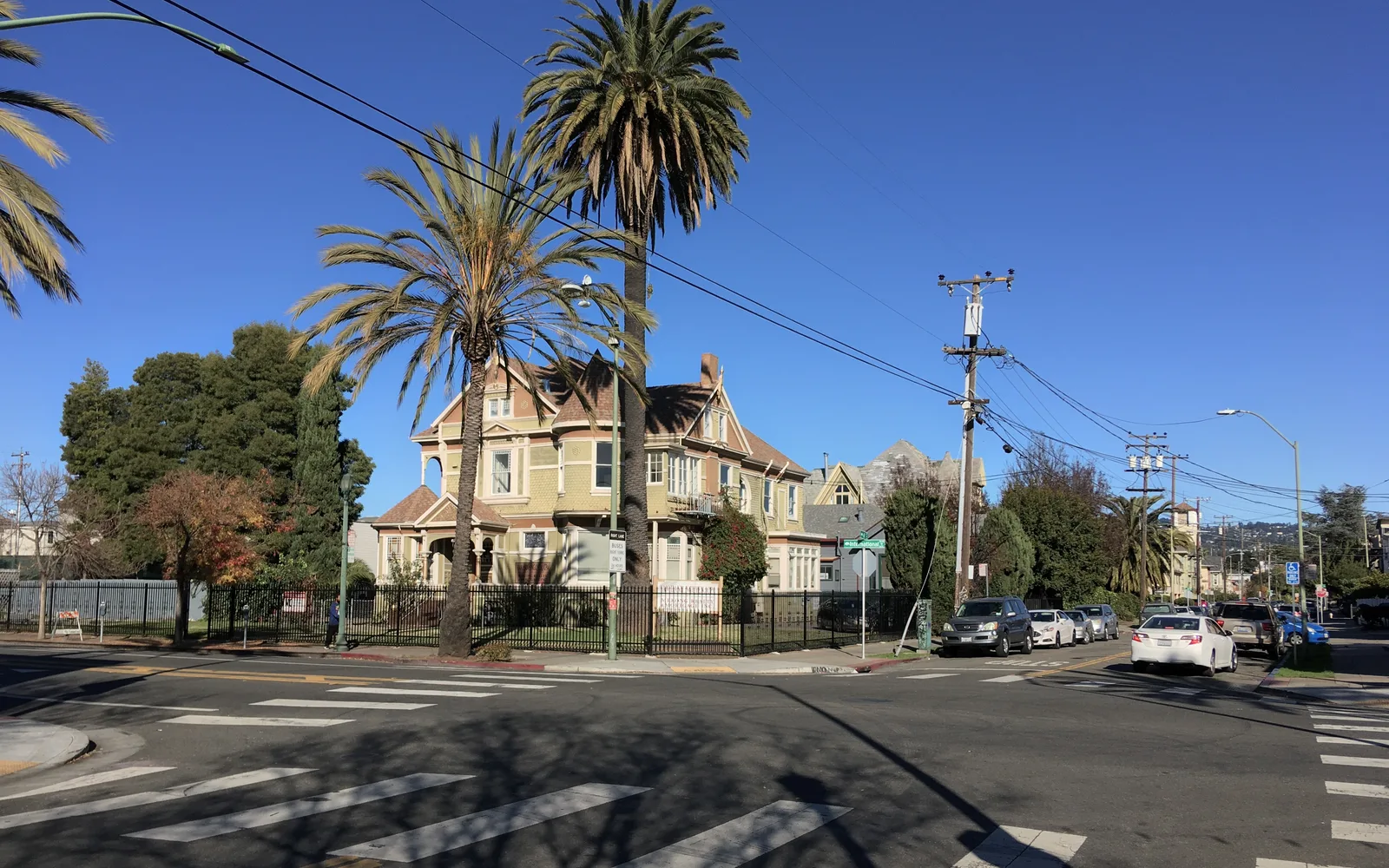
Union City's residential landscape has transformed significantly since its incorporation in 1959. Early growth followed agricultural roots and small-town settlement, then accelerated with BART's arrival and the Bay Area's broader expansion. Over the past two decades, the city has invested in mixed-use development, updating zoning to encourage housing near transit and retail services. New apartment buildings, townhomes, and condominium projects have been built alongside renovated older homes, creating neighborhoods at different stages of development.
The city's population grew from around 50,000 in the year 2000 to over 70,000 today, a reflection of Bay Area housing demand and Union City's position as an affordable alternative to inner Bay communities. Current development continues, with planning documents showing that Union City is working to add tens of thousands more housing units over the coming decades. This includes a mix of market-rate and affordable housing projects designed to serve both families and individuals.
Housing growth brings families at the stage of life when insurance planning matters most. First-time homebuyers, young families with children, and professionals expanding into new communities all face the same insurance question: what income replacement would the people they support need if they could not earn that income? A term policy that lasts 20 or 30 years—through the mortgage and the school years—answers that question with a specific, affordable amount each month.